(450) 467-2224

Used Forklift: How to Choose the Right Lifting Capacity for Your Needs
on Thursday, October 01, 2026 at 10:00
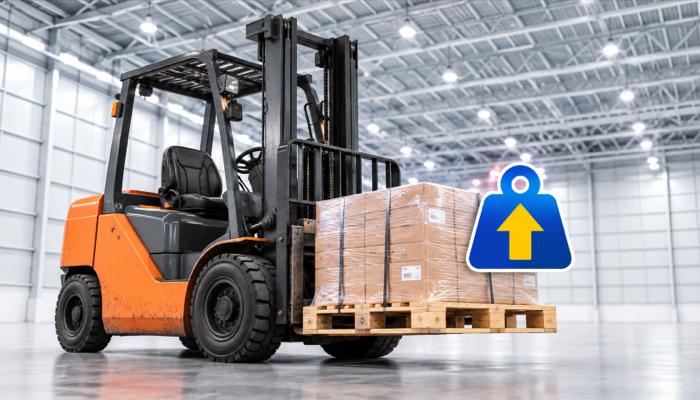
Choosing a used forklift is about more than just finding the right price. Lifting capacity is one of the most critical factors to evaluate before making a purchase.
A forklift that’s underpowered can easily become a safety hazard. On the flip side, an oversized model can cost significantly more than necessary. To make the best choice, you need to analyze your actual loads, your work environment, and how frequently the machine will be used.
Why lifting capacity matters so much
Lifting capacity indicates the maximum weight a forklift can safely lift under specific conditions. It directly impacts equipment safety, stability, and overall performance.
Selecting the wrong capacity carries several risks:
- Loss of stability
- Premature wear and tear on the machine
- Difficulty lifting certain loads
- Product and cargo damage
- Safety risks for employees
- Unplanned costs from ill-suited equipment
That’s why it’s crucial not to rely solely on the number listed on the spec sheet. Real-world capacity varies depending on lift height, load center, and any attachments being used.
Evaluate the actual weight of your loads
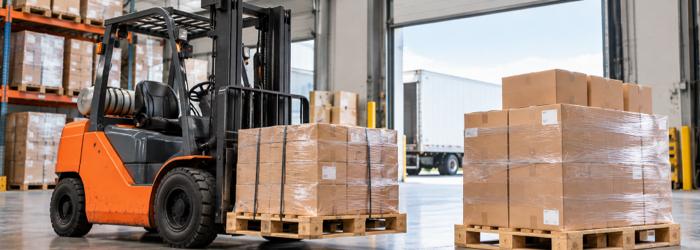
Before purchasing a used forklift, start by identifying the materials and pallets you handle most often.
Key factors to check:
- Average pallet weight
- Maximum weight to be lifted
- Overall dimensions of your loads
- Frequency of heavy lifts
- Seasonal or order-volume variations
The goal is to select a forklift capable of handling your current daily workload while leaving a safety margin for future operational needs.
Take the load center into account
A forklift’s rated capacity depends heavily on its load center. The longer, deeper, or farther away a load is from the fork carriage, the lower the machine’s actual lifting capacity becomes.
For example, a forklift rated for a specific weight might not be able to lift that same weight if the load is bulky or unevenly distributed.
Be sure to look at:
- Pallet depth
- Weight distribution
- Distance between the load center and the fork face
- Oversized or non-standard loads
This detail is frequently overlooked, yet it makes a huge difference when selecting the right used forklift.
Determine your required lift height
The higher you need to lift a load, the more critical stability becomes. A forklift’s lifting capacity naturally decreases as the load is raised higher into the air.
Before buying, measure:
-
Your shelf and rack heights
-
Maximum required lift height
-
Overhead ceiling clearance
-
Required mast type
-
Specific drop-off location zones
If you utilize high-bay racking, selecting a forklift built specifically for your warehouse layout is essential.
Factor in attachments
Adding attachments to a forklift directly alters its true lifting capacity. Tools like fork positioners, clamps, or extensions add dead weight and shift the load center forward.
Before buying, determine if you need:
- Fork extensions
- A fork positioner
- Specialized clamps
- A side shifter
- Other material handling attachments
While these attachments boost versatility, their weight and offset must be factored into your capacity calculations.
Match the equipment to your environment
The right lifting capacity also depends on where the forklift operates. A warehouse with narrow aisles, uneven floors, or outdoor yards has very different demands than a wide-open indoor facility.
Analyze the following:
-
Aisle width
-
Flooring and ground conditions
-
Ramps or inclines
-
Indoor vs. outdoor usage
-
Travel distances per load
-
Daily operating hours
For a deeper comparison of equipment styles, check out our guide on Types of Forklifts and Their Applications.
Look beyond the price tag
While a cheaper used forklift might seem attractive upfront, it must meet your operational needs first. If the capacity falls short, you could face premature replacement costs or operational bottlenecks down the road.
A smart purchase balances:
- Lifting capacity
- Overall equipment condition
- Total operating hours
- Power type (electric, propane, diesel)
- Tire condition
- Maintenance history
- Operator safety features
Maintenance and training: two crucial factors
Even with the correct lifting capacity, a forklift requires proper maintenance to stay safe and efficient. Scheduled maintenance reduces downtime risks and extends the lifespan of your machine.
Explore our Forklift Maintenance and Repair Services to keep your fleet running at peak performance.
Operator training is equally important. Drivers must understand capacity limits, operating rules, and daily pre-shift inspection procedures. To learn more, visit our Forklift Operator Training page.
Conclusion
Choosing the right lifting capacity for a used forklift is fundamental to maintaining safety, productivity, and profitability across your operations.
Take time to evaluate your typical load weights, load center, lift height, required attachments, and operating environment before finalizing your choice.
Looking for a forklift tailored to your specific needs? Browse our current inventory of Used Forklifts at A1 Machinery or reach out to our team today for personalized guidance.